
Nutrient-Dense Foods — Education Guide
Learn how everyday foods compare in vitamin and mineral content, with examples commonly found in Dutch supermarkets and markets. General information only — not dietary advice.
What Nutrient Density Actually Means
Nutrient density describes the ratio of beneficial micronutrients — vitamins, minerals, amino acids, essential fatty acids, and phytonutrients — to the total calories a food provides. A food that delivers large amounts of nutrition relative to its energy content ranks as highly nutrient-dense. Conversely, foods that supply many calories with few micronutrients — refined sugar, white flour products, deep-fried snacks — rank low on nutrient density scales.
Dr. Joel Fuhrman developed the Aggregate Nutrient Density Index (ANDI) to quantify this concept, scoring foods on a scale where leafy greens like kale and watercress score near one thousand and cola scores near one. While no single scoring system captures every nutritional nuance, ANDI and similar frameworks give shoppers a practical sorting tool when standing in the produce aisle.
The goal is not to eat only the highest-scoring foods — dietary variety matters for covering the full spectrum of nutrients — but to anchor your daily meals around nutrient-dense staples and treat low-density items as occasional additions rather than foundations.
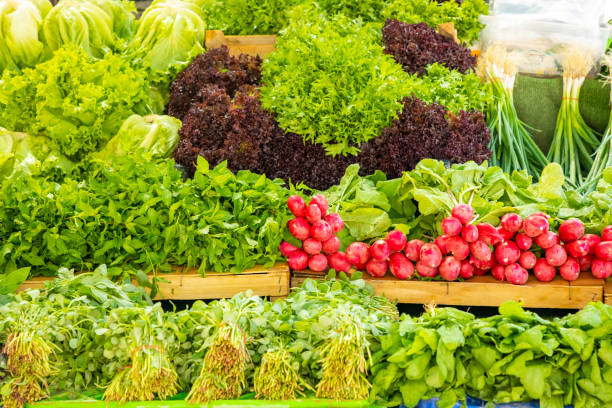
Top Nutrient-Dense Foods with Calorie Profiles
Each entry includes key vitamins, approximate calories per standard serving, and a practical serving suggestion.
| Food | Key Micronutrients | Calories (per 100g) | Serving Idea |
|---|---|---|---|
| Watercress | Vitamins A, C, K; calcium; iodine | 11 kcal | Raw in salads and sandwiches |
| Spinach | Folate, iron, magnesium, vitamin K | 23 kcal | Lightly steamed with garlic |
| Kale | Vitamins A, C, K; manganese; copper | 35 kcal | Massaged raw salad or oven-baked chips |
| Red bell pepper | Vitamin C, vitamin A, B6 | 31 kcal | Raw strips with hummus dip |
| Broccoli | Vitamin C, K, folate, chromium | 34 kcal | Steamed florets with lemon juice |
| Blueberries | Vitamin C, K, manganese; anthocyanins | 57 kcal | Mixed into morning porridge |
| Liver (beef) | Vitamin A, B12, iron, copper, folate | 135 kcal | Pan-fried with onions once weekly |
| Sardines | Vitamin D, B12, calcium, omega-3 | 208 kcal | On whole-grain toast with tomato |
How to Choose Products in the Supermarket
Practical decision rules for maximising micronutrient intake during regular grocery shopping in the Netherlands.
-
Shop the Perimeter First
Fresh produce, fish, eggs, and dairy typically line the outer aisles of Dutch supermarkets like Albert Heijn, Jumbo, and Lidl. Starting here ensures your basket fills with whole foods before you encounter processed centre-aisle products. Aim for at least five different vegetable colours and three fruit varieties each week to cover a broad vitamin spectrum.
-
Read Labels for Nutrient Ratios
When buying packaged foods, check the nutrition label per hundred grams. Compare fibre, vitamin, and mineral content relative to calories and sugar. A breakfast cereal with added vitamins but twelve grams of sugar per serving ranks lower than plain oats topped with berries, even though both may list similar vitamin percentages on the front-of-pack marketing panel.
-
Prioritise Frozen When Fresh Is Impractical
Frozen spinach, peas, and berries are flash-frozen at peak ripeness, often retaining more vitamin C than fresh produce that has spent days in transit and storage. Studies from the University of Chester found frozen broccoli sometimes outperforms refrigerated samples after three days. Keep your freezer stocked as a reliable micronutrient backup.
Building a Nutrient-Dense Day of Eating
Here is a sample framework totalling roughly eighteen hundred calories with high micronutrient coverage. Adjust portions to your personal energy needs.
Breakfast
Greek yoghurt with a handful of blueberries, one tablespoon of ground flaxseed, and a teaspoon of camu-camu powder. Provides calcium, probiotics, vitamin C, omega-3 ALA, and protein within about three hundred calories.
Lunch
Large mixed salad with watercress, spinach, red pepper, cherry tomatoes, chickpeas, and olive oil dressing. Delivers folate, iron, vitamin C, vitamin K, and fibre at roughly four hundred fifty calories.
Dinner
Baked mackerel with steamed broccoli and sweet potato. Supplies vitamin D, B12, omega-3 fats, vitamin C, and beta-carotene in about five hundred fifty calories.
Snacks
One kiwi and a small handful of almonds between meals adds vitamin C, vitamin E, magnesium, and healthy fats for approximately two hundred calories.
Frequently Asked Questions
Common questions about nutrient density and practical food selection.
No. Everyday foods like cabbage, carrots, eggs, and canned sardines rank among the most nutrient-dense options available. Exotic powders such as camu-camu or acai can supplement an already solid diet but are not prerequisites for adequate vitamin intake. Budget-friendly shopping at local markets and discount supermarkets can fully support a micronutrient-rich diet.
Most vegetables and fruits have high water and fibre content that promotes satiety before excessive calorie intake. Exceptions include very calorie-dense whole foods like nuts, seeds, and oily fish — nutrient-dense but energy-rich. Portion awareness matters even with healthy foods. Liver, while extremely nutrient-dense, should be eaten in moderation due to very high vitamin A content.
The Dutch Nutrition Centre's "Wheel of Five" (Schijf van Vijf) recommends daily servings from vegetables, fruit, grains, protein, and healthy fats. Nutrient density thinking complements this framework by helping you choose the most vitamin-rich options within each category — for example, choosing kale over iceberg lettuce within the vegetable group.