

Whole-Food Nutrition Education
Learn how vitamins from everyday foods interact with minerals and enzymes in a balanced diet. We publish independent, research-based articles on food selection and meal planning — for general education purposes only.
Explore Whole-Food NutritionEducational Newsletter
Receive factual food guides and seasonal eating articles. No product offers — information only.
Why Whole-Food Vitamins Deserve Your Attention
Vitamins do not exist in isolation inside plants and animals. They arrive bundled with minerals, phytonutrients, and enzymes that influence how your body processes them.
Food Matrix Matters
Research published in the American Journal of Clinical Nutrition highlights that the food matrix — the physical structure of whole foods — affects nutrient release during digestion. A spinach leaf delivers iron alongside vitamin C and folate in proportions that synthetic tablets rarely replicate. When you eat the whole food, your digestive system encounters nutrients in their natural chemical environment, which can differ from taking isolated compounds on an empty stomach.
Cofactors Work Together
Cofactors are non-protein compounds that help enzymes catalyse reactions in the body. Magnesium is involved in many enzymatic processes, while B vitamins act as coenzymes in energy metabolism. Whole foods naturally pair these helpers with related vitamins. For example, sunflower seeds contain vitamin E along with selenium and dietary fats — a combination often discussed in nutrition literature. Understanding these partnerships helps you build varied meals rather than relying on single-ingredient supplements.
Practical Daily Habits
Balanced eating starts with consistent, manageable choices. Swapping refined snacks for a handful of berries, adding leafy greens to lunch, or choosing whole grains over white flour can increase your micronutrient intake from food sources. Population studies from the Harvard T.H. Chan School of Public Health report associations between diets rich in vegetables, fruits, nuts, and legumes and certain dietary intake patterns. Individual needs differ — small, repeatable adjustments may suit many people's daily routines.
How Whole Foods and Vitamin Absorption Relate
When you consume a vitamin as a synthetic isolate — typically a single compound manufactured in a laboratory — your body receives the molecule without the surrounding nutritional context found in food. Laboratory-made ascorbic acid, for instance, is chemically identical to vitamin C in an orange, yet the orange also supplies bioflavonoids, fibre, and potassium that participate in digestion and transport.
Enzymes in whole foods and in your gut play a central role. Raw fruits and vegetables contain plant enzymes such as bromelain in pineapple and papain in papaya that assist protein breakdown. While cooking denatures many of these enzymes, the fibre structure of whole plants slows digestion, giving your system more time to absorb water-soluble vitamins before they pass through.
Fat-soluble vitamins — A, D, E, and K — illustrate this principle clearly. A carrot provides beta-carotene within a cellular matrix that includes small amounts of fat when eaten with a drizzle of olive oil. Without dietary fat, absorption of these vitamins drops significantly. Whole-food sources naturally encourage pairing: avocado delivers vitamin E with monounsaturated fats, and egg yolks combine vitamin D with phospholipids.
Read the Full Guide-
Synergistic Compounds
Polyphenols in berries may stabilise vitamin C during storage and digestion, according to research in Food Chemistry journals.
-
Buffered Release
Fibre in legumes and whole grains slows gastric emptying, extending the window for nutrient absorption in the small intestine.
-
Mineral Pairing
Calcium in kale is accompanied by vitamin K and magnesium, minerals that participate in bone mineralisation pathways.
-
Lower Oxidation Risk
Antioxidants in whole foods may protect delicate vitamins from degradation during cooking and storage.
The Role of Cofactors and Enzymes in Nutrition
Enzymes speed up biochemical reactions, and cofactors ensure those reactions proceed efficiently. Whole foods supply both in combinations refined supplements often omit.
-
Enzymatic Activation
Your body produces digestive enzymes — amylase, lipase, protease — to break down macronutrients. Many whole foods contain complementary plant enzymes that begin this process in your mouth and stomach. Eating a varied diet with raw fruits, fermented vegetables, and sprouted grains introduces enzymatic diversity that supports the mechanical and chemical phases of digestion. Research from the Institute of Food Technologists notes that enzyme activity in fresh produce declines with prolonged storage, which is one reason seasonal, locally sourced foods often retain more active compounds.
-
Cofactor Dependencies
Several vitamins interact with minerals in food. Vitamin D metabolism involves magnesium. Zinc and vitamin A appear together in many animal and plant sources. Copper and iron are found paired in foods such as shellfish and sesame seeds. When you obtain these nutrients from whole foods, they arrive in proportions typical of natural dietary patterns. Brazil nuts, for instance, contain selenium alongside fats and minerals — a reason portion size matters with concentrated food sources.
Quick Reference: Common Cofactor Pairs
| Vitamin | Key Cofactor | Whole-Food Source |
|---|---|---|
| B12 | Intrinsic factor | Fortified nutritional yeast, eggs |
| Iron | Vitamin C, copper | Lentils with bell peppers |
| Vitamin K | Calcium, magnesium | Broccoli, fermented foods |
| Vitamin D | Magnesium, fat | Mushrooms, fatty fish |
Building a Plate Around Natural Nutrients
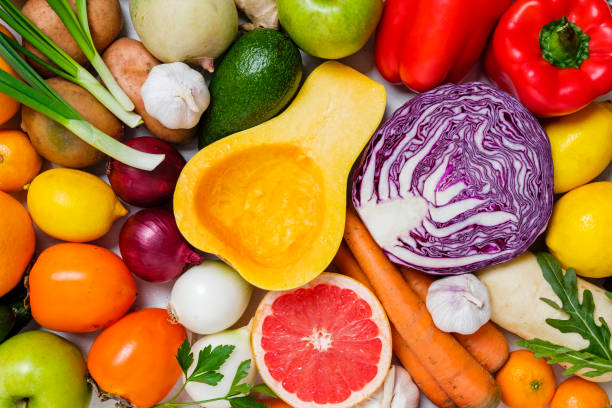
Visual variety on your plate often signals nutritional variety. Deep green leaves indicate chlorophyll, folate, and vitamin K. Orange and red produce points to carotenoids and vitamin C. Purple foods such as red cabbage and blueberries contain anthocyanins with antioxidant properties studied extensively in nutrition science literature.
A practical approach is the "half-plate plants" method: fill roughly half of each meal with vegetables and fruits, one quarter with whole grains or starchy vegetables, and one quarter with protein sources. This framework automatically increases vitamin density without calorie counting. Adding herbs and spices — parsley for vitamin K, turmeric for curcumin, cumin for iron — further enriches meals with minimal additional calories.
For residents of the Netherlands, seasonal eating aligns well with this approach. Spring asparagus, summer berries, autumn pumpkins, and winter brassicas each bring distinct vitamin profiles. Visiting local markets in Rotterdam and surrounding areas connects you with fresher produce that retains more enzymatic activity than items transported over long distances.
Synthetic Vitamin C vs. Food-Based Sources
Ascorbic acid in a capsule and vitamin C in camu-camu or rosehip share a core molecule but differ in what accompanies it.
What Synthetic Ascorbic Acid Offers
Laboratory-produced ascorbic acid is widely used in food fortification and supplements. It provides a concentrated form of the compound at low cost. However, it lacks the flavonoids, tannins, and organic acids present in botanical sources. Nutrition literature discusses how these companion compounds may differ from isolated ascorbic acid in food contexts.
What Camu-Camu and Rosehip Bring
Camu-camu, a berry native to the Amazon, contains one of the highest natural concentrations of vitamin C among edible plants — often thirty times more per gram than an orange. Beyond ascorbate, it supplies potassium, flavonoids, and ellagic acid. Rosehip, the fruit of wild rose plants, offers vitamin C alongside galactolipids and carotenoids. Studies in the Journal of Agricultural and Food Chemistry document that rosehip powder retains significant antioxidant capacity even after drying, suggesting the matrix protects the vitamin during processing.
Compare Sources in DetailPractical tip: If you prefer food-based vitamin C, add frozen camu-camu powder to smoothies or steep dried rosehips into tea. Pairing vitamin C-rich foods with iron-containing plant foods — such as spinach in a salad — is a common culinary combination described in nutrition textbooks.
Maximum Micronutrients, Minimal Calories
Some foods contain a high concentration of vitamins and minerals relative to their energy content. Including these options in a varied diet is one approach to increasing micronutrient intake from food.
Watercress
Ranked highly on nutrient density scales, watercress provides vitamins A, C, and K, plus calcium and iodine, with only about eleven calories per hundred grams. Add it raw to sandwiches and salads.
Red Bell Pepper
A single medium pepper can supply more than one hundred percent of the daily reference intake for vitamin C while contributing roughly thirty calories. Roast, stir-fry, or eat raw with hummus.
Spinach
Rich in folate, vitamin K, iron, and magnesium at roughly twenty-three calories per hundred grams. Lightly steam to reduce oxalates while preserving most water-soluble vitamins.
Kiwi
Delivers vitamin C, vitamin K, potassium, and fibre at about sixty-one calories per fruit. The skin contains additional fibre and antioxidants if washed thoroughly.
Spirulina
This blue-green algae offers B vitamins, iron, and beta-carotene in a concentrated form. One tablespoon adds notable micronutrients to smoothies with roughly twenty calories.
Atlantic Mackerel
Contains vitamin D, B12, and omega-3 fatty acids in a three-ounce serving of roughly two hundred calories. Like other oily fish, it is often eaten as part of a mixed meal.
About This Website
Vivolivingia.ddd is an independent educational publisher based in Rotterdam, Netherlands (KVK 71753044). We provide free articles about whole-food nutrition for general learning purposes.
- We do not sell food supplements, vitamins, or medical products.
- We do not provide medical, therapeutic, or personalised dietary services.
- We do not make product health claims — any references to EFSA-authorised nutrient functions are for educational context only (EU Regulation 1924/2006).
- Workshop listings are informational community events — contact us for details; no guaranteed outcomes are implied.
Important Information
Responsible food choices respect individual needs, food safety standards, and the limits of general dietary information. We do not sell food supplements, vitamins, or treatment services.
Consult Qualified Professionals
Before making significant dietary changes — especially if you take medications — speak with a registered dietitian or other qualified professional. General food information cannot replace personalised assessment.
Store and Prepare Food Safely
Refrigerate perishable produce promptly, wash fruits and vegetables under running water, and separate raw animal products from ready-to-eat foods. The Netherlands Food and Consumer Product Safety Authority (NVWA) provides current guidance on safe food handling practices.
Avoid Excessive Supplementation
Fat-soluble vitamins accumulate in body tissues, and high doses of minerals such as iron or zinc can cause adverse effects. Whole-food sources rarely deliver toxic levels because the body regulates intake through satiety and absorption limits.
Check for Allergens and Interactions
Nuts, shellfish, soy, and gluten affect many individuals. Read product labels carefully and introduce new foods gradually. Some foods interact with common medications — grapefruit, for example, affects certain drug metabolism pathways.
Events Calendar
Join workshops and community gatherings focused on whole-food nutrition and seasonal eating in the Rotterdam area.
Spring Greens Workshop
Learn to identify and prepare nutrient-dense leafy vegetables available at Dutch farmers markets. Includes tasting and recipe cards.
Vitamin C Sources Tasting
Compare camu-camu, rosehip tea, and citrus-based dishes. Discussion on food matrix effects and preparation methods.
Meal Planning for Micronutrient Density
Hands-on session building weekly menus that maximise vitamins and minerals while keeping calories in check.
Frequently Asked Questions
Clear answers to common questions about natural vitamins and everyday food choices.
Many people obtain vitamins from a varied, whole-food diet. Some individuals following specific dietary patterns — such as strictly plant-based diets — may need to pay attention to nutrients like vitamin B12 or vitamin D during low-sunlight months. A qualified professional can help assess individual dietary needs. Public organisations such as the WHO and the Dutch Nutrition Centre (Voedingscentrum) publish general food-based dietary guidance.
Heat-sensitive vitamins such as C and some B vitamins decrease with prolonged cooking, especially in boiling water. Steaming, stir-frying, and roasting for shorter durations preserve more nutrients. Fat-soluble vitamins A, D, E, and K are generally more stable. Eating a mix of raw and lightly cooked produce balances nutrient retention with digestibility and food safety.
Fortified foods have vitamins added during manufacturing — common in breakfast cereals and plant milks. They can help fill specific gaps but lack the full spectrum of cofactors found in unprocessed plants and animals. A balanced approach might combine whole foods as the base with selective fortification where dietary patterns create predictable shortfalls, such as B12 in vegan diets.
Look for products with third-party testing certifications, transparent ingredient lists, and forms of nutrients with established bioavailability. Food-derived or fermented supplements may include additional cofactors compared to pure synthetics. Always verify that the product complies with EU food supplement regulations and discuss supplementation with a qualified professional before starting.
Explore Our Food Education Guides
Read our articles on vitamin absorption, natural vitamin C sources, and nutrient-dense food selection. All content is published for general learning — not as personalised advice.
Browse Daily Habits Guide